
If a bulge in your daughter's groin or external genital area appears and then goes away, an inguinal hernia should be considered during a medical assessment. The bulge may appear when she cries or strains and disappear when she relaxes. Its disappearance does not necessarily mean that a hernia has healed. At Damsoyu Hospital, we consider what parents have observed alongside the examination and ultrasound findings, then explain the assessment.
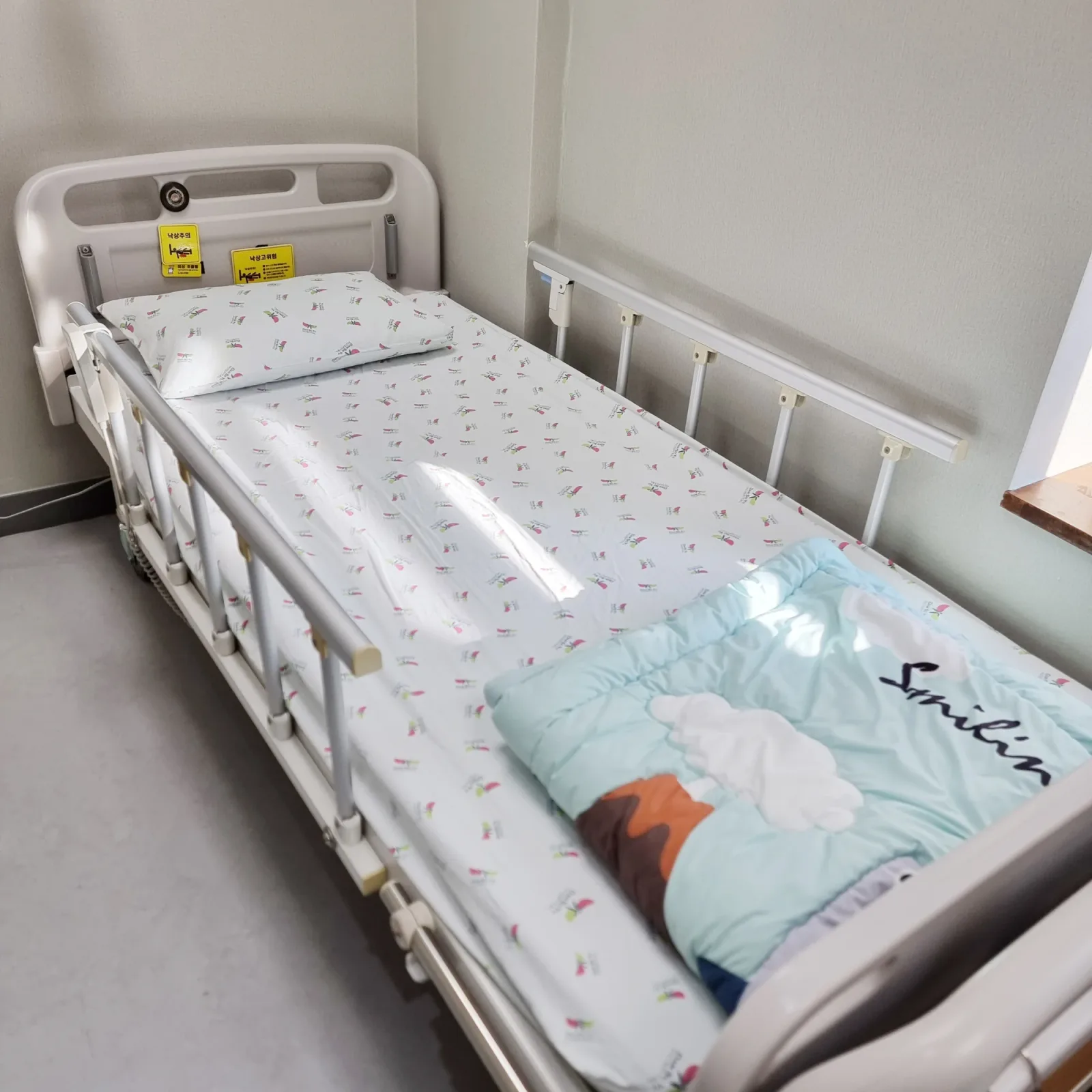
Can girls have an inguinal hernia?
Inguinal hernias do not occur only in boys. In girls, tissue or an organ can also pass through a channel that remains between the abdomen and the groin. An ovary may enter the hernia sac, so a groin bulge in a girl needs medical assessment too. See the American Academy of Pediatrics information on inguinal hernias.
A suspected hernia does not automatically mean that the ovary has been damaged. The clinical assessment considers what has protruded, whether it is trapped, and whether blood flow is affected. Hearing that an ovary is involved does not tell you whether it has been harmed.
What if the bulge is not visible during the appointment?
If the swelling repeatedly appears and disappears, note where and when you saw it. A photograph or video taken while your child is comfortable may help during the consultation. There is no need to make her cry or strain to obtain a photograph.
| What parents can record | How it helps the assessment |
|---|---|
| Which side was swollen | Shows where the bulge was seen in the groin or external genital area |
| When it appeared and disappeared | Describes changes with crying, straining, or lying down |
| Whether there was pain or unusual fussiness | Identifies discomfort accompanying the bulge |
| Whether there was vomiting or a change in skin color | Helps assess whether prompt evaluation is needed |
At Damsoyu Hospital, we assess pediatric hernias through examination and ultrasound. Even if the bulge is not visible in the consultation room, we can take your observations and any images from home into account. See our pediatric hernia information.
Seek immediate care if the bulge stays out and your child is in pain
If the bulge remains or becomes firm even after your child settles, or if there is severe fussiness, pain, vomiting, or redness of the skin, a clinician needs to check whether tissue or an organ is trapped in the hernia. Contact a clinician immediately or seek emergency care rather than waiting for the next appointment or an online reply. Do not try to force the bulge back in yourself.
Even without these changes, a recurring bulge should be assessed at an appointment. The absence of pain does not rule out a hernia.
After diagnosis, treatment timing depends on your child's condition
Once a hernia is confirmed, treatment timing is decided according to your child's condition and examination findings. At Damsoyu Hospital, we perform pediatric hernia surgery using laparoscopy rather than an open surgical approach, and provide a dedicated children's ward and pediatric nursing care. Our same-day care pathway can allow discharge around 6 hours after surgery, but the actual discharge time depends on your child's recovery from anesthesia and condition after surgery.
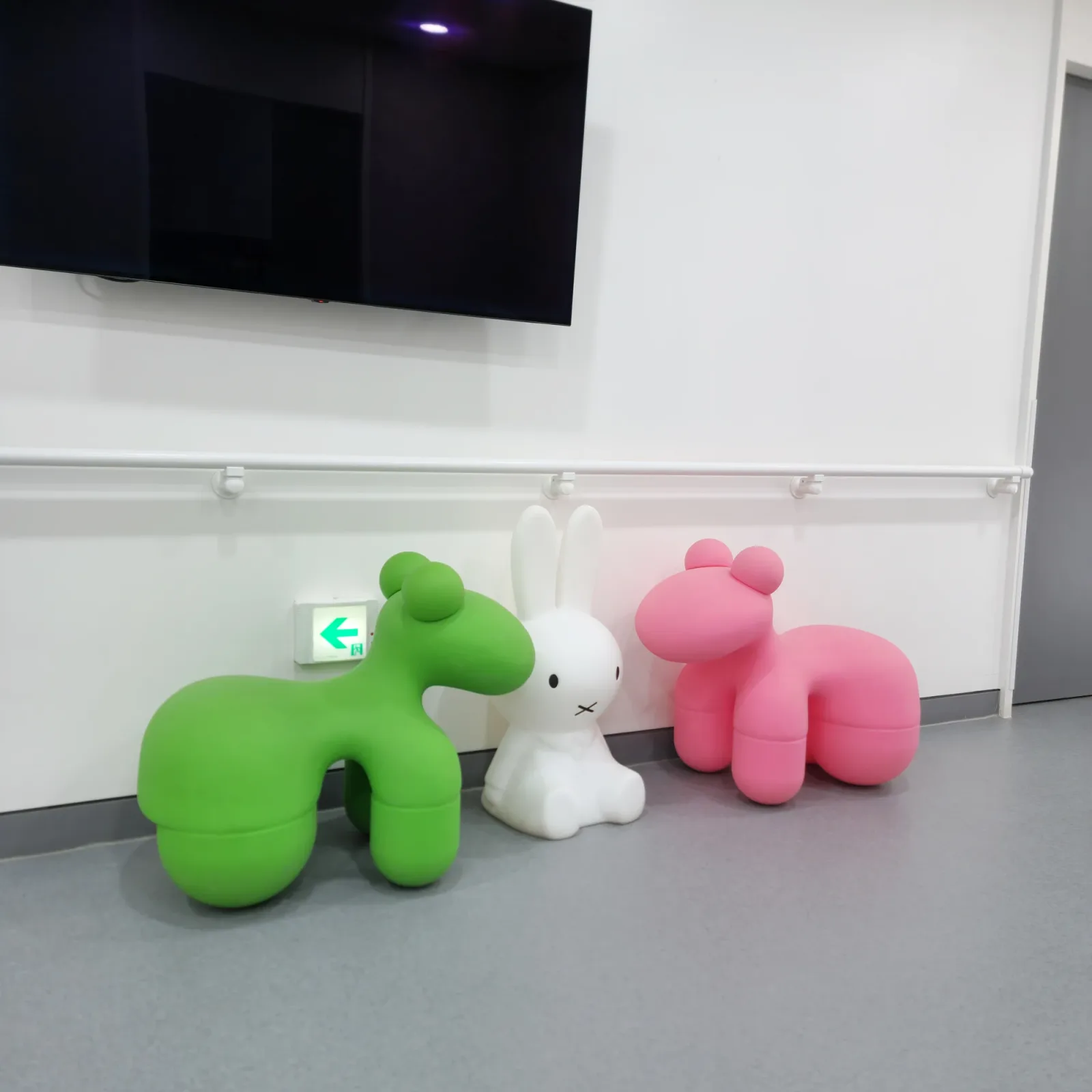
If you are concerned about a recurring groin bulge, use our telephone consultation request and tell us your child's age, the affected side, and when you first noticed it. If surgery is planned after diagnosis, you will receive separate fasting and anesthesia preparation instructions. Our pediatric hernia guide covers points to discuss during the consultation. Severe pain, vomiting, or the other warning changes above call for immediate medical care rather than a routine consultation request.
Related Damsoyu guide
DAMSOYU / Pediatric hernia
Explore the care behind this guide
A guide for parents, from the first consultation to preparation and follow-up.
Explore treatment →Information to help you prepare for a consultation. Your care plan is determined after a medical assessment.
The booking page is in Korean. Please confirm your preferred consultation language with the hospital.
Confirm your consultation language and appointment arrangements before travelling.