
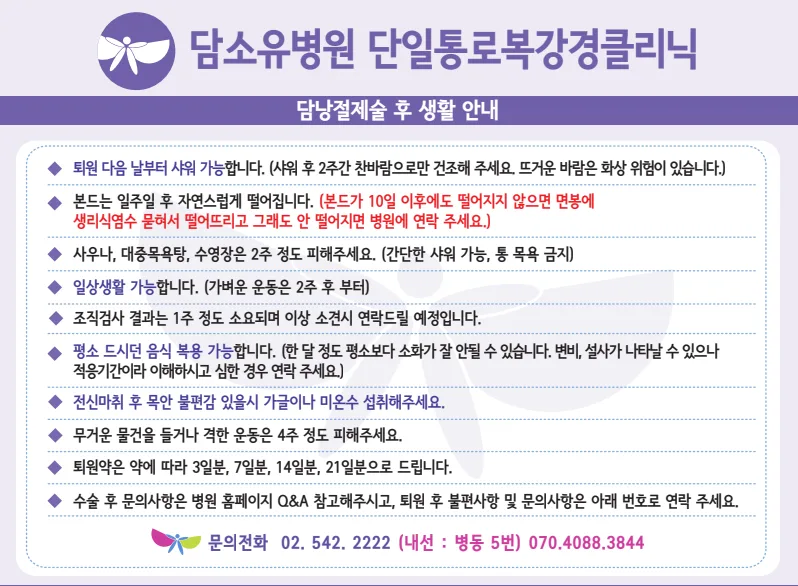
After gallbladder removal, start eating when your care team advises, begin with smaller portions and see how your body responds. Having your gallbladder removed does not mean you must permanently restrict everything you eat. If diarrhea continues or you develop pain, fever or jaundice, seek medical care rather than waiting while only changing your diet.
Your liver still makes bile after gallbladder removal
Bile is made in the liver. After gallbladder removal, it passes through the bile ducts into the intestine without first being stored in the gallbladder. Some people have looser or more frequent stools after surgery. Discuss any such changes with your care team. NIDDK: changes after gallbladder removal
Adjust your diet using both your discharge instructions and the symptoms you actually notice after eating. A single list of “foods you can eat” is difficult to apply in the same way to everyone.
Try smaller portions at first
A balanced diet remains the starting point after gallbladder removal. Smaller meals may be easier early in recovery. Unless you have specific dietary restrictions, you do not need to keep eating only a narrow selection of foods. Discuss how to return to your usual diet with your care team. NHS: recovering from gallbladder removal
Before discharge, ask when you can begin drinking and eating and how to increase the amount you eat. Mention any dietary instructions you already follow for another condition. Do not stop an existing diet for diabetes or another condition on your own simply because you have had gallbladder surgery.
How should you adjust fatty foods or coffee?
If you develop diarrhea, notice whether it gets worse after fatty foods, caffeinated drinks or alcohol. These can worsen diarrhea, so adjustments should take your symptoms into account. Not everyone who has their gallbladder removed needs to give up the same foods permanently. A record of what you ate and the symptoms that followed can help you and your care team identify foods that need adjusting. NIDDK: eating and diet when you have diarrhea
Record the foods and amounts, when you ate, and when abdominal pain or diarrhea began. Rather than cutting out several foods for a long time after one episode of discomfort, review recurring patterns with your care team. If diarrhea persists, dietary changes need to take both your symptoms and nutritional status into account.
Some symptoms need medical care before dietary changes
Contact the hospital that performed your surgery if indigestion or diarrhea continues. You may need tests or treatment to identify the cause. In particular, seek prompt medical care for the symptoms below.
- Severe abdominal pain, or pain that is worsening and does not settle.
- Jaundice: yellowing of the skin or the whites of the eyes.
- Fever or chills.
- Pus from the wound, or worsening wound pain, redness or swelling.
Do not dismiss these symptoms as simply the result of eating fatty food. A medical assessment is needed to find the cause. Severe difficulty breathing or chest pain requires emergency care. NHS: warning symptoms after gallbladder removal
Tell Damsoyu Hospital about meals and symptoms together
If you feel unwell after eating, bring notes on your surgery date, when the discomfort began, what you eat and any changes in your bowel movements. Explaining your current symptoms alongside “What should I eat?” makes it easier to give dietary advice for your situation.
For general questions about eating before surgery or care after discharge, use Damsoyu Hospital’s telephone consultation request form (in Korean). If you develop the warning symptoms above, contact your care team immediately or seek medical care rather than waiting for an online reply.
DAMSOYU / Gallbladder care
Explore the care behind this guide
Make sense of your scan results, a surgical consultation and care after treatment.
Explore treatment →Information to help you prepare for a consultation. Your care plan is determined after a medical assessment.
The booking page is in Korean. Please confirm your preferred consultation language with the hospital.
Confirm your consultation language and appointment arrangements before travelling.