
If you are deciding where to have accessory breast tissue removed, compare how the swelling is diagnosed, which tissues will be treated, the surgeon's clinical field, and the care provided afterward. At Damsoyu Hospital, we explain what treatment your underarm area needs, rather than asking you to judge the procedure from before-and-after photographs alone.
Start with the clinical assessment of accessory breast tissue
Not every underarm bulge requires the same operation. When choosing a hospital, ask how the area is examined and how glandular tissue, surrounding fat, and other lesions are distinguished before a treatment plan is made. Please also tell us when booking if you have had previous breast examinations or surgery.
At Damsoyu Hospital, a breast surgery specialist assesses accessory breast tissue and performs the operation. Our medical team page explains the relevant clinical fields. If you would like to see a particular doctor, please ask about available appointments and who will be responsible for your care.
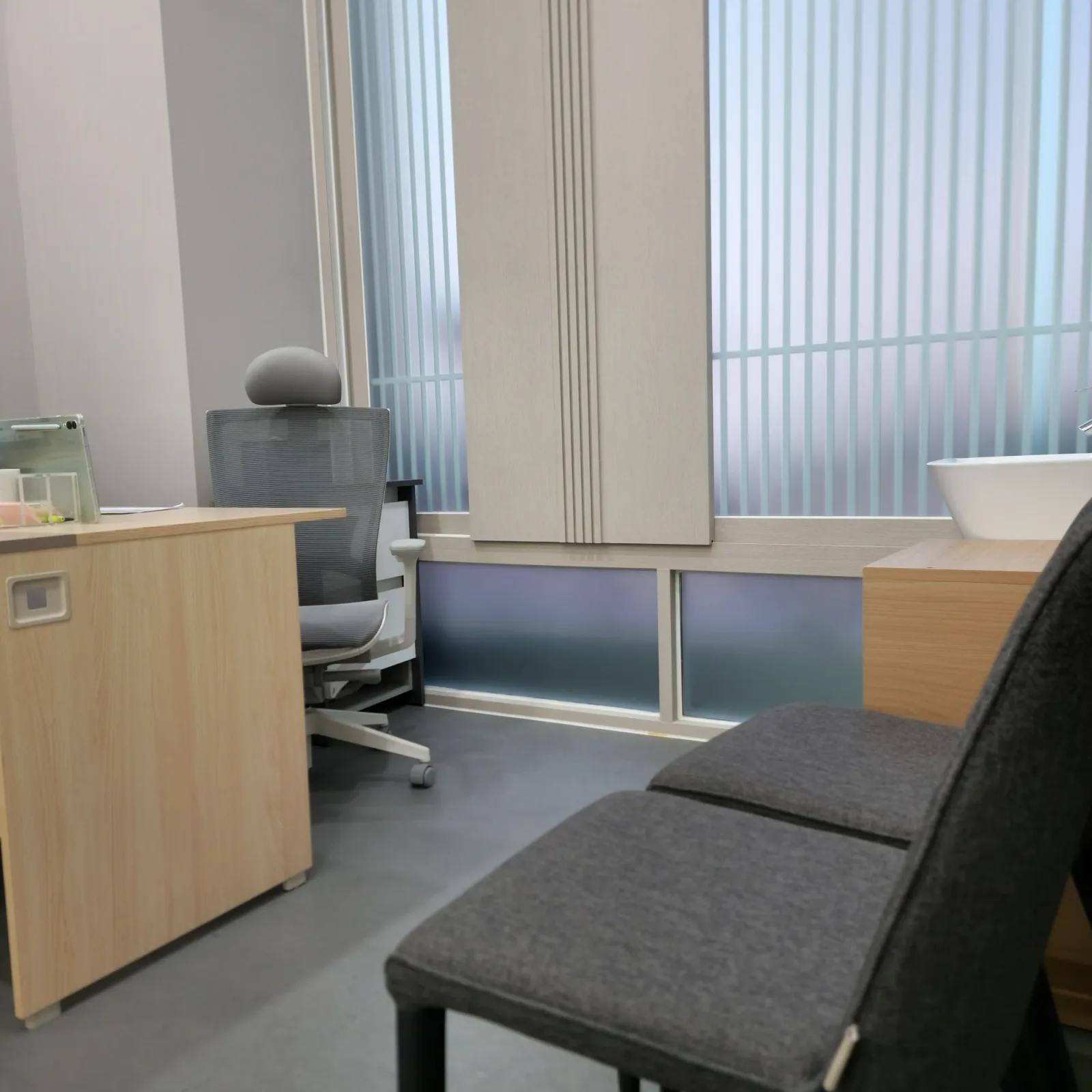
Does the removal plan match the diagnosis?
Glandular tissue removal and liposuction treat different tissues. If both are recommended, the explanation should connect each part of the operation to the tissue identified during assessment. Do not assume that liposuction alone can treat every case of accessory breast tissue; ask how any glandular tissue will be managed.
At Damsoyu Hospital, accessory breast surgery combines glandular tissue removal and liposuction through a small incision. We use the examination and test findings to decide which side and how much tissue to treat, and explain the reasons for that plan. Our accessory breast tissue information provides background for discussing what applies to you.
When comparing hospitals, you can use the following points to record the explanations you receive.
| Point to consider | What to clarify during your consultation |
|---|---|
| Diagnosis | Which tissues were identified in the swollen area |
| Surgeon | Who will assess the condition and perform the operation |
| Surgical plan | The extent of glandular tissue removal and liposuction, and whether one or both sides will be treated |
| Incision | The expected location, wound care, and marks that may remain |
| Follow-up care | When recovery will be reviewed and whom to contact with questions |
A small incision and a short stay still require a care plan
A small incision does not mean that there will be no scar or no need for care. Before surgery, discuss how to look after the wound and, if a compression garment is needed, when and how to wear it. Follow instructions suited to the treated area and your recovery rather than a wearing schedule found online.
At Damsoyu Hospital, you may be able to go home within 24 hours after accessory breast surgery. Your postoperative condition determines the actual discharge time. If you are traveling from another region, discuss follow-up visits and travel arrangements as well as the expected discharge time.
Our accessory breast tissue guide covers the points to discuss during assessment and surgical planning. When requesting an appointment through our telephone consultation form, tell us which side is uncomfortable, your symptoms, and whether you have had previous tests.
Related Damsoyu guides
DAMSOYU / Accessory breast tissue
Explore the care behind this guide
Learn about underarm symptoms, tissue assessment and the scope of surgery.
Explore treatment →Information to help you prepare for a consultation. Your care plan is determined after a medical assessment.
The booking page is in Korean. Please confirm your preferred consultation language with the hospital.
Confirm your consultation language and appointment arrangements before travelling.